
Summertime, Summertime
Ah, the joys of summer. Lazy days, hammocks under the maple tree, Â corn on the cob, poison ivy… Wait. I live in southern Oregon. We have poison oak, not poison […]

Ah, the joys of summer. Lazy days, hammocks under the maple tree, Â corn on the cob, poison ivy… Wait. I live in southern Oregon. We have poison oak, not poison […]
I’m chatting today at Romance in the Backseat — and I have company!  Delilah Marvelle (LORD OF PLEASURE), Minnette Meador (THE CENTURION AND THE QUEEN) will be joining me, and Elisabeth […]
That’s the name of the fun site where I’m the featured paranormal author starting July 7. Â The forums are already open for a discussion about IMMORTAL OUTLAW and the Immortal […]
I just got a note from Nalini Singh that she’s giving away a copy of IMMORTAL OUTLAW today as part of the countdown celebrations for the release of her latest, […]
Sorry this is a bit late. I crunched my neck somehow and haven’t been able to sit at the computer for more than two minutes without screaming in pain. However, […]
For those of you in the Portland, OR, area, I wanted to remind you to come out TODAY to the 1st Annual NW Book Festival Join me, Lisa Hendrix (IMMORTAL OUTLAW), […]
Boy, those blog tours fry me. Â Writing a guest post is way harder than writing fiction, for me at least. Â But I’m done now, for all practical purposes, and venturing […]
A lot of readers are emailing me privately to say how much they love IMMORTAL OUTLAW. Â So how come they (and you) are not posting these glowing reviews to Amazon […]
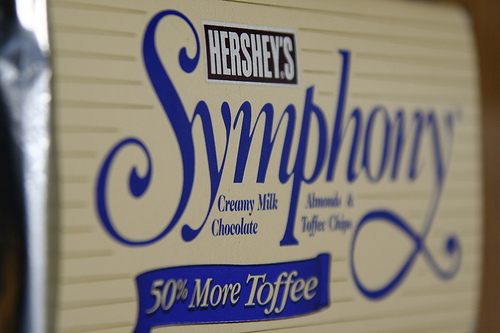
My husband hates it that I eavesdrop, but it’s a writer thing. You get the best snippets of dialogue by eavesdropping. Or sometimes you get a great recipe. This one […]
Did I remember to tell you that IMMORTAL OUTLAW is officially on the shelves as of two days ago? Â I didn’t think so. Â I’ve been so busy posting it everywhere […]